Oregano e orégano mexicanos são frequentemente confusos por causa de seus nomes semelhantes. Eles são a mesma erva ou similares? Você pode usá -los da mesma maneira? Se você não está familiarizado com esses dois temperos, o confronto de especiargrafia abaixo pode ajudá -lo a descobrir o que torna cada um deles diferente e como usá -los.
Como o orégano mexicano difere do orégano?
Orégano mexicano E o orégano vem de plantas não relacionadas, apesar de compartilharem um nome. Oregano mexicano pertence à mesma família que outra erva famosa, Verbena de limão . Esta erva é nativa da América Central e prospera em seu clima seco. Orégano é um parente de hortelã associado à região do Mediterrâneo e provavelmente se originou na Grécia.
Orégano mexicano has a different flavor profile from oregano. Orégano mexicano’s flavor profile includes mint and citrus notes as well as hints of licorice and a little earthiness.
Orégano has a minty quality along with a subtle bitterness that enhances its savory properties. It can also have a mild pepperiness that helps it to compete with other pungent flavors. Unlike other herbs, oregano’s flavors don’t dissipate quickly even after the herb has been dried. The result is a potent and distinctive profile that can easily dominate the other aromas and tastes in your recipe if you’re not careful.
-
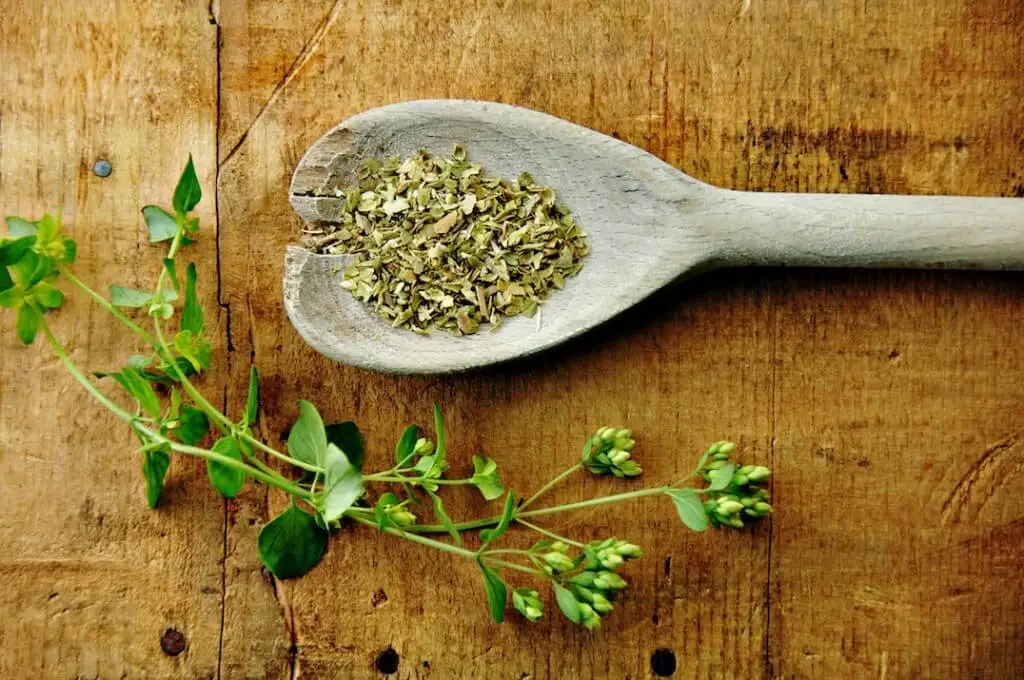
Orégano mexicano seco
-
Orégano fresco e seco
Você pode usar o orégano mexicano como substituto do orégano e vice -versa?
Como o orégano mexicano não tem gosto de orégano, você provavelmente não poderá usá -lo como um substituto de orégano sem que ninguém perceba. Usá -lo em um prato que requer orégano pode alterar o perfil de sabor tão significativamente que será imediatamente detectável.
Dito isto, é uma erva salgada e trabalhará com os mesmos tipos de ingredientes que são usados junto com orégano. Usá -lo no lugar do orégano significa que ele não vai necessariamente arruinar a refeição, mas você também não terá o sabor clássico de orégano.
Orégano can work as a substitute for Orégano mexicano especially since people outside of Mexico are most likely to have it in their spice cabinets, though it is not the best possible substitute. The minty and savory aspect or oregano’s flavor profile can stand in for the licorice notes that you get from Orégano mexicano. You won’t get Orégano mexicano’s sweet citrus notes, but you may be able to replace that with other ingredients.
Quando você deve usar orégano mexicano e quando deve usar orégano?
Orégano mexicano pairs well with the seasonings that tend to show up in Mexican cooking like cumin and peppers. Its flavor makes a big difference in tacos, burritos, and meaty dishes. You will see it commonly used in Latin American dishes and those from the American Southwest. Orégano mexicano is also sometimes used as a tea herb. It can make an enjoyable cup of tea much like its cousin, Verbena de limão.
Orégano is best suited for dishes from the Mediterranean region that use tomatoes heavily and that contain other strong herbs and seasonings. Its flavor profile is versatile enough that it can work in many savory dishes. Add it to dry rubs for roasted or smoked meat as well as to soups and stews that require long cooking times. Orégano’s robust flavor profile allows it to work like bay leaves and stand up to extensive braising.