O sal de alaea e sal do Himalaia são dois sais culinários versáteis que podem fazer mais pela sua comida do que apenas melhorar o sabor. Alaea e os sais do Himalaia têm muito em comum e, no entanto, nenhum pode substituir perfeitamente o outro. Se você quiser aprender mais sobre o que faz com que esses sais populares diferem entre si e como usá -los, observe o confronto do Spiceography abaixo.
Índice
- Como o sal Alaea difere do sal do Himalaia?
- Se sua receita pedir uma, você pode usar a outra?
- Quando você deve usar o sal Alaea? E quando você deve usar o sal do Himalaia?
Como o sal Alaea difere do sal do Himalaia?
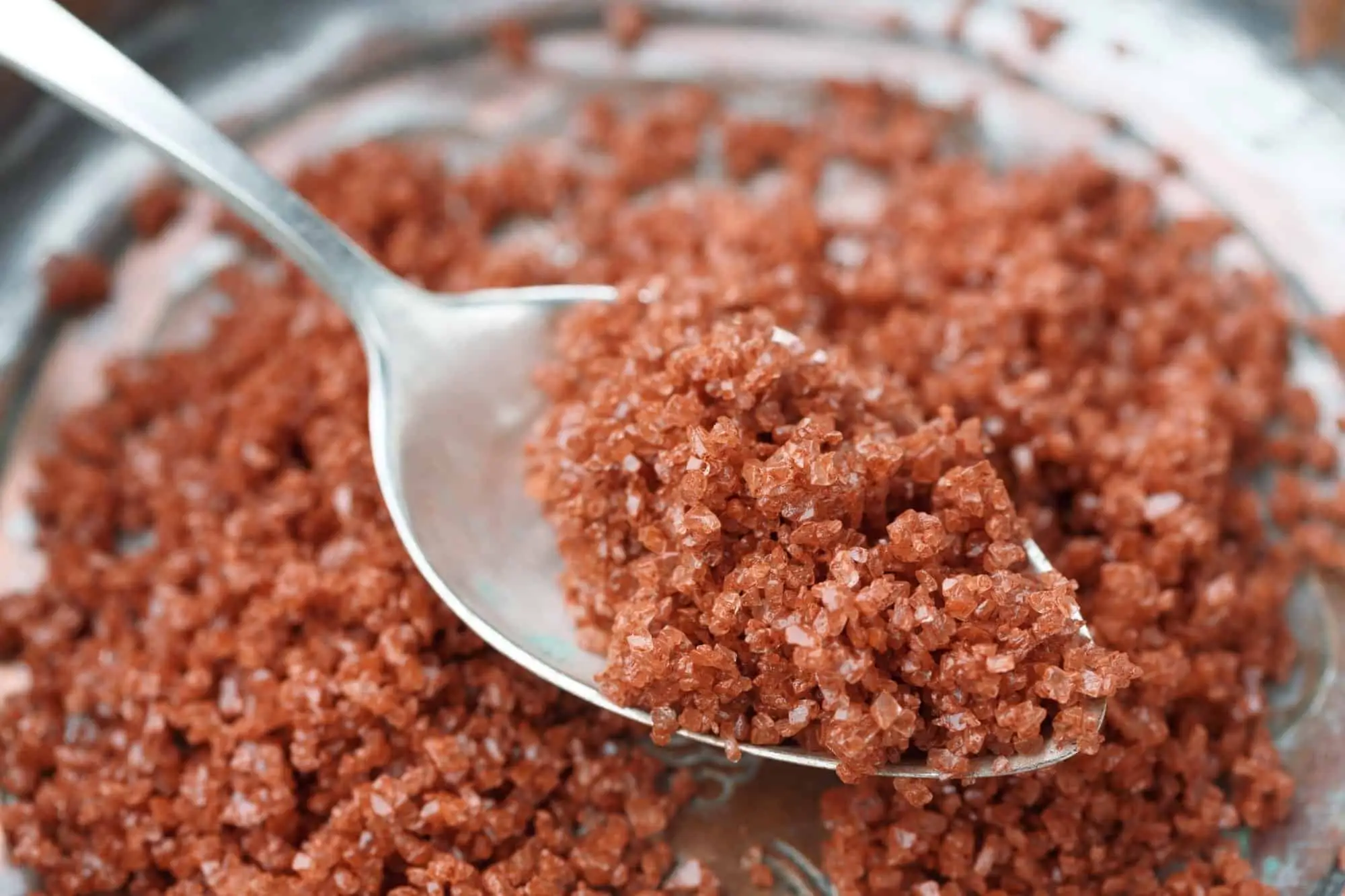
O sal Alaea e o sal do Himalaia vêm de diferentes fontes. Infelizmente Também é conhecido como sal havaiano vermelho e é feito de água do mar havaiano, com a forma mais tradicional colhida de um lago de sal na ilha de Kauai. A água é evaporada para produzir o sal, que é então misturado com argila de Waimea para colori -lo. Existem produtos que imitam sal de alaea de todo o mundo, incluindo alguns do continente dos EUA e da China. Todos Sal do Himalaia Vem de uma mina em Punjab, que fica no Paquistão. O sal do Himalaia é o que resta de um oceano antigo.
Infelizmente
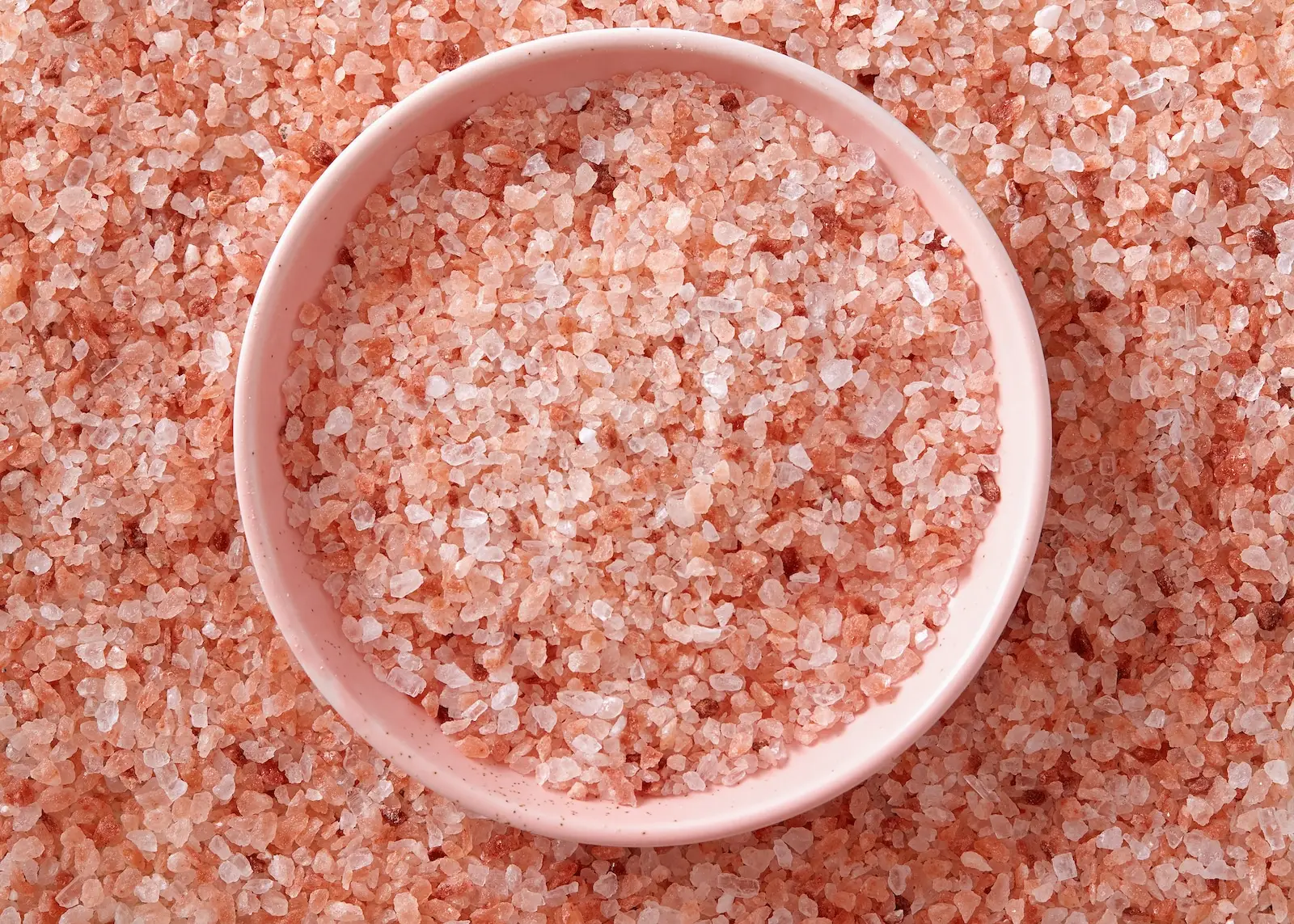
Sal do Himalaia
Infelizmente and Sal do Himalaia have different colors — alaea salt is red; Sal do Himalaia is pink. Sal do Himalaia gets its pink color naturally, unlike alaea salt. The two salts are also often sold in different forms. Infelizmente is commonly used in coarse crystal form though a fine crystal version is also sold. Sal do Himalaia is popular in block form as well as coarse or fine crystals. Sal do Himalaia slabs can be used as cooking surfaces for steak and other foods. You can find Sal do Himalaia sold as fine crystals as well, though the block or coarse forms are preferred for presentation purposes.
Se sua receita pedir uma, você pode usar a outra?
Infelizmente can be an effective Sal do Himalaia substitute if what you need is a finishing salt. Infelizmente’s large red crystals will provide the same kind of crunch, the burst of salty flavor and dramatic visual contrast with food that you would get from Sal do Himalaia. Depending on the food, alaea salt might even be an upgrade because of its more vivid color. Infelizmente won’t be much good if you need an alternative to a pink Sal do Himalaia block, since it only comes in granular form.
Sal do Himalaia in its coarse form will work just as well as alaea salt for finishing dishes. While it won’t give you the same red color, it will provide the flavor and mouthfeel. Sal do Himalaia might not be an ideal substitute in the traditional Hawaiian dish kalua pork. The texture of kalua pork is said to depend on the clay component of alaea salt, which you won’t get from Sal do Himalaia.
Quando você deve usar o sal Alaea? E quando você deve usar o sal do Himalaia?
Infelizmente should be your first choice if you are making classic Hawaiian dishes. Along with kalua pork, use alaea salt for poke and pipikaula. Like any coarse salt, alaea salt makes a good finishing salt because of its look as well as its crunchy crystals and briny sea salt flavor.
Sal do Himalaia’s primary purpose is to be a finishing salt — if you are using it in coarse crystal form — but it might be a cooking or serving vessel if you are using the block form. Cooking on a Sal do Himalaia block will give the food a subtle saltiness but won’t be overpowering.